

Crafted UX and Audio – Online Casinos as Immersive Experiences

by admin

I remember the first time I logged into a slick online casino and thought, this is more than gambling, this is theater. A lot of operators know that a smoother registration, clearer bonuses, and a trustworthy payments flow matter, but what lifts some platforms above the rest is the way they choreograph design and sound, in short the way they craft user experience. If you are curious about quick sign-up options and modern flows, check this no account casino uk, it shows how removing friction can reshape a player’s entry point.
Below is a quick table of contents to jump around, which I find helpful when an article is long or I’m skimming for specifics.
Crafted UX and Audio
When I say crafted UX, I mean intentional choices, not just pretty colors. For online casinos, that includes the registration flow, the way bonuses are explained, and how slot pages load. A well-designed casino interprets player behavior and reduces decisions, not adds to them. In practice that could be a simple one-click KYC step or showing the most relevant welcome bonus without burying terms, little things that calm the player and build trust.
A crafted UX balances attention and speed. Motion, micro-interactions, and clear labeling help players understand where they are and what will happen next. Too many animations slow decision-making, but a little polish signals quality.
Audio Design Matters
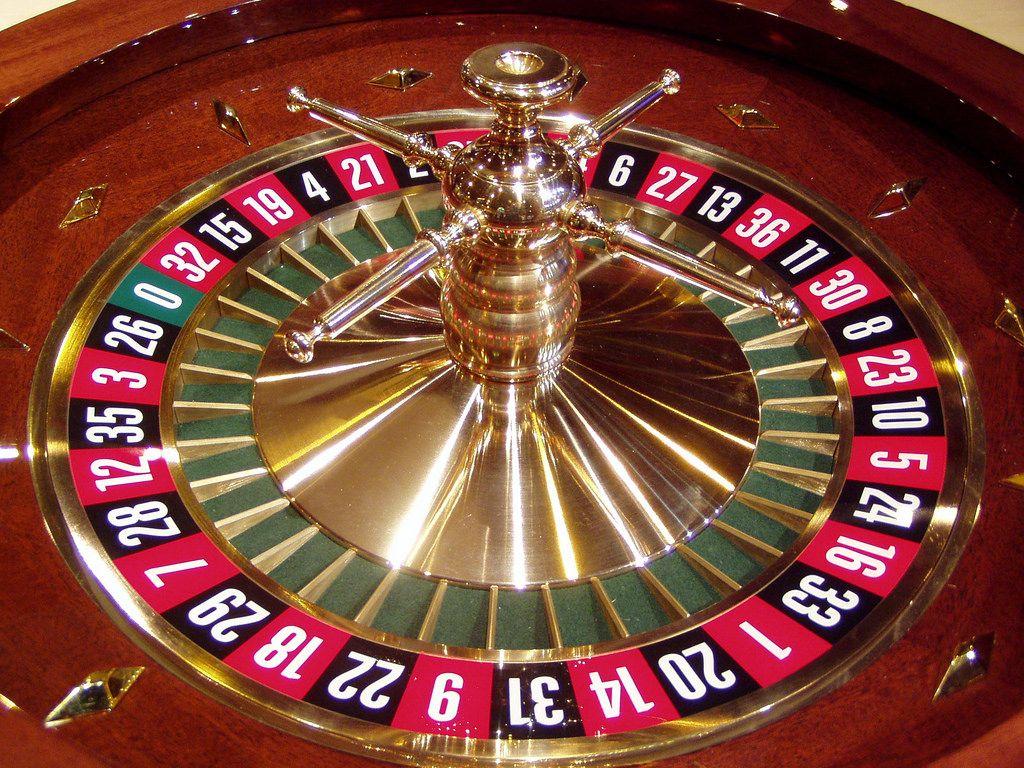
Audio, believe it or not, shapes perception. A tasteful chime when you hit a payout, the absence of abrupt sounds when closing a modal, these are tiny cues but they affect emotion. I’ve played at platforms where the soundtrack was intrusive and it made me close the tab faster; at others, a subtle ambient layer actually made sessions feel calmer and more immersive. It’s not about being loud, it’s about being deliberate.
Player Journey and Registration
The registration process is a crossroads. Ask for everything up front and many will bounce, ask too little and you risk compliance headaches later. Some platforms use step-by-step flows that feel like a conversation, others prefer the instant-play, wallet-first approach. There’s no single right answer, yet the best experiences are forgiving, showing progress, and offering contextual help without blocking the player’s path.
Bonuses deserve similar attention. Instead of a long list of small print, show the net value, give examples, and make activation a clear one-click decision. I’ve seen players misunderstand bonus wagering conditions repeatedly. Clarity here is both ethical and practical, it reduces support loads and improves long-term retention.
Slots, Soundtracks, and Bonuses
When you move from lobby to slot, the transition should feel seamless. That means consistent typography, predictable affordances, and yes, appropriate sound design. Good developers tie audio to meaningful events, not to every single click. Players often prefer a toggle for sounds; it’s respectful to give control.
Slot studios today invest as much in soundtrack as in art direction. A memorable hook can make a game more shareable, while a poor loop makes sessions grind. Bonuses that are tied to a theme, like free spins during a soundtrack change, can heighten excitement — but keep it coherent. Too many competing motifs will feel like chaos, and chaos is not good for someone deciding whether to top up their wallet.
Payments, Security, and Trust
Payments are the backbone of player trust. Fast withdrawals are not a nicety anymore, they are expected. Display processing times, show accepted methods clearly, and don’t hide fees. When a platform offers multiple verification channels and explains why each step exists, players feel less anxious.
Security cues — badges, encrypted connections, and social proof — should be visible, but not loud. I often notice players scanning for a padlock icon and missed verification notices cause frustration. Design can guide this attention, placing trust markers near monetary actions and simplifying the language around them.
One more thing, and this is me being a bit opinionated, platforms that treat UX and audio as afterthoughts usually compensate with heavy promotions and confusing terms, which feels cheap. The ones that invest in holistic design tend to keep players longer, and frankly, I enjoy returning to them more.
Conclusion: A casino that thinks in layers — registration, UX, audio, and payments — creates an experience, not just a product. Small, consistent choices reduce friction, build trust, and make gaming sessions feel purposeful. The goal isn’t to manipulate, it’s to respect the player’s time while offering compelling entertainment.
FAQ:
Q: Do audio cues really matter?
A: Yes, but subtlety is key. They shape mood and give feedback without overwhelming.
Q: Are quick registration flows always better?
A: Not always, but reducing unnecessary steps improves conversion. Balance with compliance.
Q: How should bonuses be presented?
A: Clearly. Show the value, the main conditions, and a simple activation route.
Recommended Posts
We unearthed that a realtor linked almost instantly as soon as we called alive speak during day instances
October 17, 2026