

Exploring the historical evolution of casinos through the ages

by admin
Exploring the historical evolution of casinos through the ages
Origins of Gambling and Early Casinos
The roots of gambling can be traced back to ancient civilizations, where games of chance played a significant role in social and cultural practices. From the gaming boards of Mesopotamia to the betting on dice in ancient Rome, these early forms of gambling laid the groundwork for what would eventually evolve into modern casinos. The Romans, in particular, developed a love for betting, enjoying various games that often took place in social gatherings, highlighting the intrinsic connection between gambling and human social behavior. Today, platforms like payid casinos offer insights into this evolving landscape.

As cultures spread and evolved, so did the forms of gambling. The first establishments resembling casinos appeared in Italy during the Renaissance, specifically in Venice in the 1630s. These early gambling houses were often lavish, designed to attract the wealthy elite. Unlike today’s casinos, which offer a wide range of gaming options, these establishments primarily focused on games such as baccarat and other card games, representing the early fusion of opulence and risk that defines modern casinos.
Over time, gambling spread throughout Europe, with various countries developing their own unique forms of gaming establishments. France introduced the concept of the casino in the 18th century, paving the way for what would become a global phenomenon. The establishment of these early casinos highlighted a significant shift in societal attitudes towards gambling, turning it from a taboo into an accepted, even glamorous, pastime for many.
The Golden Age of Casinos
The late 19th and early 20th centuries marked the Golden Age of casinos, particularly with the rise of Monte Carlo as a gambling haven. The Casino de Monte-Carlo, opened in 1863, became synonymous with wealth, luxury, and high-stakes gambling. This era attracted aristocrats and the wealthy elite, cementing the image of casinos as places for high society, intrigue, and excitement. The architecture of these establishments was often opulent, featuring grand staircases, elaborate chandeliers, and elaborate decor that catered to a clientele accustomed to luxury.
As gambling expanded to new locations, Las Vegas emerged in the early 20th century as a significant player in the casino world. Initially, the city was a relatively small desert town, but the legalization of gambling in Nevada in 1931 transformed it into a booming metropolis. Casinos began to spring up, characterized by their neon lights and extravagant themes. The architectural style of Las Vegas casinos ranged from luxurious palaces to themed resorts, showcasing a departure from the traditional European styles while embracing a more eclectic and whimsical design.
The Golden Age not only introduced glamour to casinos but also innovative gaming experiences. This period saw the introduction of slot machines, which revolutionized the gaming landscape by offering a more accessible form of gambling. The combination of these machines with elegant casino designs created an inviting atmosphere that encouraged players to engage with the games. This evolution set the stage for the modern casino experience that we recognize today, balancing architectural beauty with entertainment value.
Modern Casinos and Technological Advancements
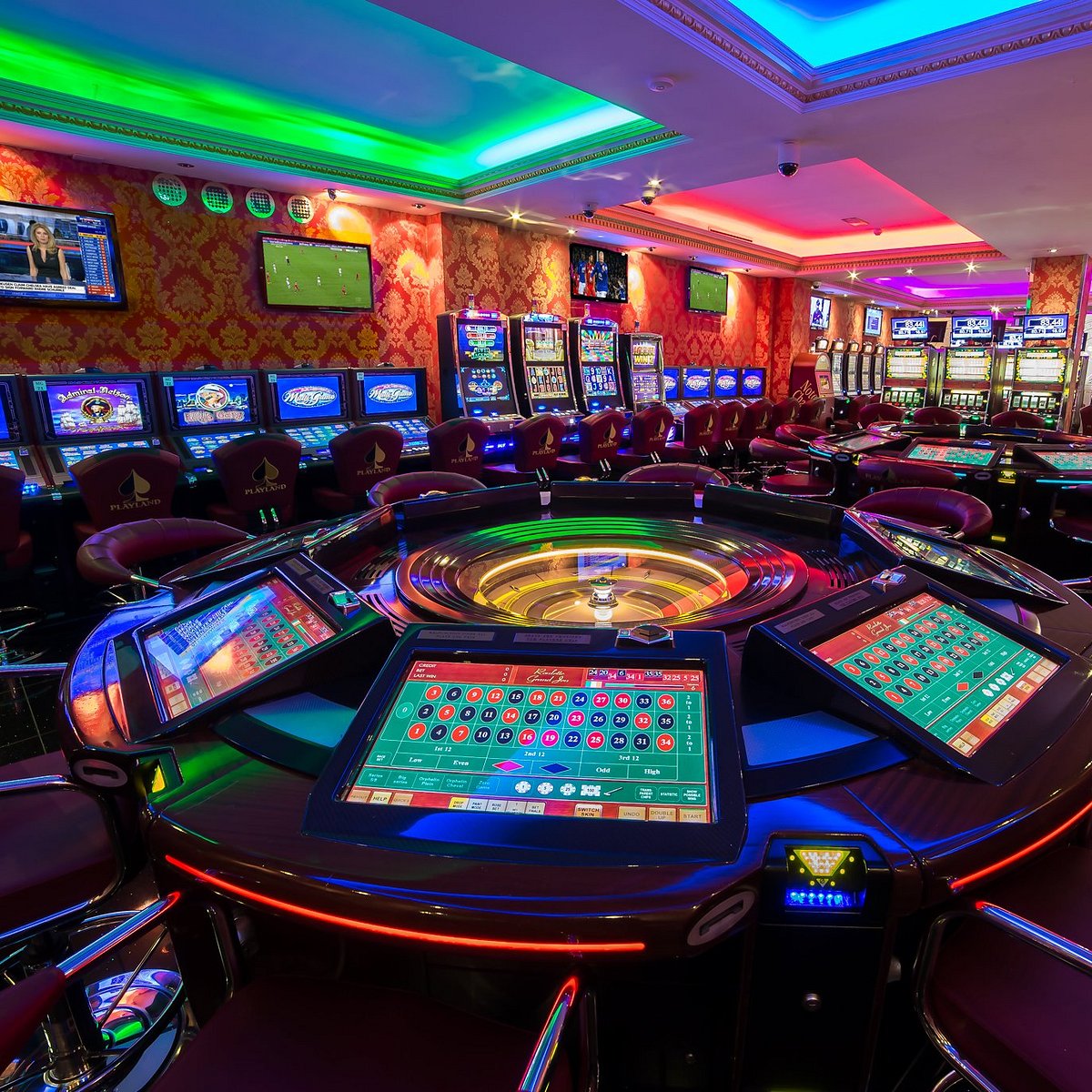
The latter half of the 20th century ushered in a new era of casinos marked by technological advancements. The introduction of computerized gaming machines and online platforms drastically transformed the gambling experience. Traditional casinos began incorporating technology into their designs, offering digital games alongside classic tables. This integration not only modernized the aesthetic appeal of casinos but also made them more appealing to a younger demographic increasingly drawn to digital entertainment.
With the rise of the internet, online casinos emerged, allowing players to gamble from the comfort of their homes. The virtual casino landscape began to rival traditional brick-and-mortar establishments, leading to a new wave of competition. Websites were designed to mimic the grandeur of physical casinos, using advanced graphics and immersive environments to replicate the gaming experience. This shift highlighted the importance of innovation in casino architecture and design, as operators had to find ways to attract customers both online and offline.
Furthermore, modern casinos are increasingly focusing on offering diverse entertainment experiences beyond just gaming. Many establishments now feature luxurious hotels, world-class dining, and live entertainment, creating a multifaceted experience for visitors. This blending of leisure and gambling has redefined the casino as a destination rather than just a place to play games, further illustrating the evolution of casino design and architecture in response to changing consumer preferences.
The Role of Design and Architecture in Casino Evolution
Throughout history, the design and architecture of casinos have played a pivotal role in shaping the gambling experience. Early casinos focused on opulence and grandeur, showcasing elaborate architecture that appealed to the wealthy. This emphasis on design not only created an atmosphere of luxury but also served to attract high rollers and elite clientele. The attention to detail in architectural features such as intricate moldings, expansive spaces, and artistic elements added to the allure of these establishments.
In the modern context, casino design has evolved to cater to a broader audience. The architectural styles range from sleek, minimalist designs to extravagant, thematic resorts. This diversity reflects an understanding of various customer preferences, making casinos appealing to both high-stakes gamblers and casual visitors. The integration of open spaces, natural light, and innovative layouts contributes to an inviting atmosphere, enhancing the overall experience for players and non-players alike.
Moreover, the role of sustainability in casino architecture has gained prominence in recent years. As environmental consciousness increases, many casinos are investing in eco-friendly designs that incorporate sustainable materials and energy-efficient technologies. This shift not only reflects a commitment to environmental stewardship but also attracts a clientele that values responsible gaming and sustainability, further influencing the evolution of casino design in contemporary society.
PayID Casino: Your Guide to Modern Online Gambling
As the landscape of casinos continues to evolve, platforms like PayID Casino provide essential resources for navigating the modern online gambling scene. By focusing on user-friendly experiences and up-to-date information, PayID Casino helps players make informed decisions about their gaming choices. With a comprehensive review system, it offers insights into various online casinos that accept PayID as a payment method, ensuring that players have access to convenient and secure transactions.
PayID Casino also emphasizes the importance of player safety and responsible gambling. By offering guidance and information on best practices, the platform contributes to a healthier gaming environment, helping users enjoy their experience while remaining mindful of their gambling habits. This focus on user education enhances the overall casino experience and reinforces the site’s commitment to player well-being.
In a world where online gaming is rapidly growing, PayID Casino stands out as a trusted resource for both newcomers and seasoned players. With its expert evaluations and user feedback, the platform is dedicated to helping individuals navigate the complexities of the online gambling landscape. By bridging the gap between traditional casinos and the digital realm, PayID Casino is an integral part of the ongoing evolution of gaming in the modern age.
Recommended Posts
Pinco casino-da mükafatlar: oyunçular üçün dəyərli bonuslar
August 20, 2026